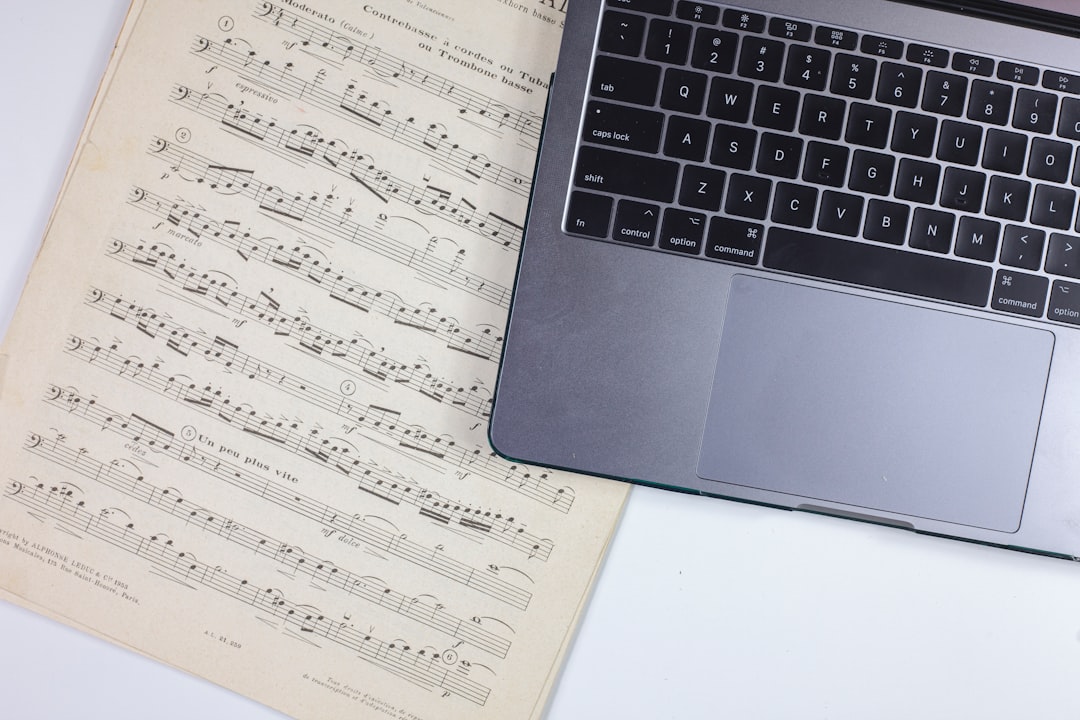
Music has become an important part of everyday digital life, supporting entertainment, relaxation, study, travel, and creative activities. As listeners increasingly prefer convenient access across devices, the idea of free music download continues to attract attention. However, convenience should be balanced with copyright awareness, file quality, privacy, and responsible digital practices. A reliable music experience depends not only on finding tracks quickly but also on understanding where they come from and how they can be used.
What’s Covered
- Understanding Modern Music Download Habits
- Why Audio Quality Matters
- Copyright and Responsible Access
- Privacy and Digital Safety
- Organizing a Personal Music Library
- What Makes a Good Music Platform?
- Conclusion
Understanding Modern Music Download Habits
Digital listening habits have changed significantly as internet access and mobile devices have become more widely available. Many listeners now expect music platforms to provide simple navigation, searchable collections, and compatible audio files. Downloads remain relevant because they can provide offline access when an internet connection is unavailable.
A useful music platform should make the process understandable rather than complicated. Clear categories, recognizable track information, and straightforward navigation can help users locate suitable content efficiently. These features also improve the overall experience for people who are less familiar with digital audio technology.
Why Audio Quality Matters
Audio quality is an important consideration when choosing downloadable music. A file may appear convenient, but poor encoding can affect clarity, volume balance, and the listening experience. Professional digital music services generally provide information that helps users understand the available format and expected quality.
Listeners should also consider device compatibility. Music files may be played through smartphones, computers, tablets, vehicles, or dedicated audio equipment. Selecting a commonly supported format can reduce playback problems and make personal music collections easier to manage.
Copyright and Responsible Access
Copyright should remain a central consideration when downloading music. Not every track available online is legally offered for unrestricted downloading. Artists, composers, producers, and recording professionals depend on intellectual property protections to support their work.
Responsible listeners should therefore verify whether a track is offered for legal download and understand any usage conditions attached to it. Music labeled for personal use may have different permissions from material released under an open license. Checking licensing information before downloading helps prevent accidental misuse and supports a healthier digital music environment.
Privacy and Digital Safety
Online music activity also involves privacy considerations. Users should be cautious when visiting unfamiliar pages, downloading files, or providing personal information. Unexpected redirects, excessive pop-ups, suspicious file extensions, and requests for unnecessary permissions can indicate potential security concerns.
Keeping operating systems, browsers, and security software updated provides an additional layer of protection. Users should also avoid opening files that appear unrelated to the music they intended to obtain. A clean and transparent interface can make it easier to distinguish legitimate content from potentially unsafe material.
Organizing a Personal Music Library
Downloading music can become more useful when files are organized properly. Descriptive filenames, consistent folder structures, and accurate metadata make large collections easier to search. Information such as artist, album, genre, and release details can help listeners maintain a structured library.
Regularly reviewing stored files can also prevent unnecessary duplication. Backing up important personal collections is another sensible practice, particularly when music has been legally obtained and carefully organized.
What Makes a Good Music Platform?
Several factors can influence the quality of a digital music platform. Easy navigation, reliable performance, clear information, compatible formats, and responsible content practices all contribute to user satisfaction. Transparency is equally important because users should understand what they are accessing before downloading or saving a file.
The best approach is to combine convenience with informed decision-making. Rather than focusing solely on obtaining music quickly, listeners can consider legality, quality, security, and long-term usability.
Conclusion
Digital music access continues to evolve as technology changes listening habits. Downloads remain useful for people who value offline listening, organized collections, and flexible device compatibility. By selecting legitimate sources, checking licensing information, paying attention to file quality, and practicing safe browsing habits, users can enjoy a more dependable digital music experience. Responsible access benefits listeners while also recognizing the creative work behind the music they enjoy.
Key Takeaways
- Music plays a significant role in digital life, supporting various activities such as entertainment and study.
- Listeners increasingly prefer music platforms that offer simple navigation, searchable collections, and downloadable music for offline access.
- Audio quality is crucial when choosing downloadable music, as poor encoding can diminish the listening experience.
- Copyright considerations are essential when downloading music, as not all tracks online are legally available for unrestricted download.
- Users should practice caution regarding privacy and security when visiting music download sites, avoiding suspicious files and unnecessary permissions.
- Organizing downloaded music files through descriptive naming and consistent structures can enhance the usability of personal music libraries.